Sentry
Predict. Prevent. Protect.
The $45 Billion Question
Imagine this: it's 2030, and climate change is causing fires to rage all across the world, let alone Australia. The fires feast on our Australian bushland, causing it to dwindle away from what we once saw as pristine and beloved. The truth is, we may not need to imagine it...
CSIRO¹ anticipates that in the near future we will experience:
- Hotter, more frequent hot days
- Fewer cold days
- Increased time in drought
creating the perfect conditions for harsher fire weather.
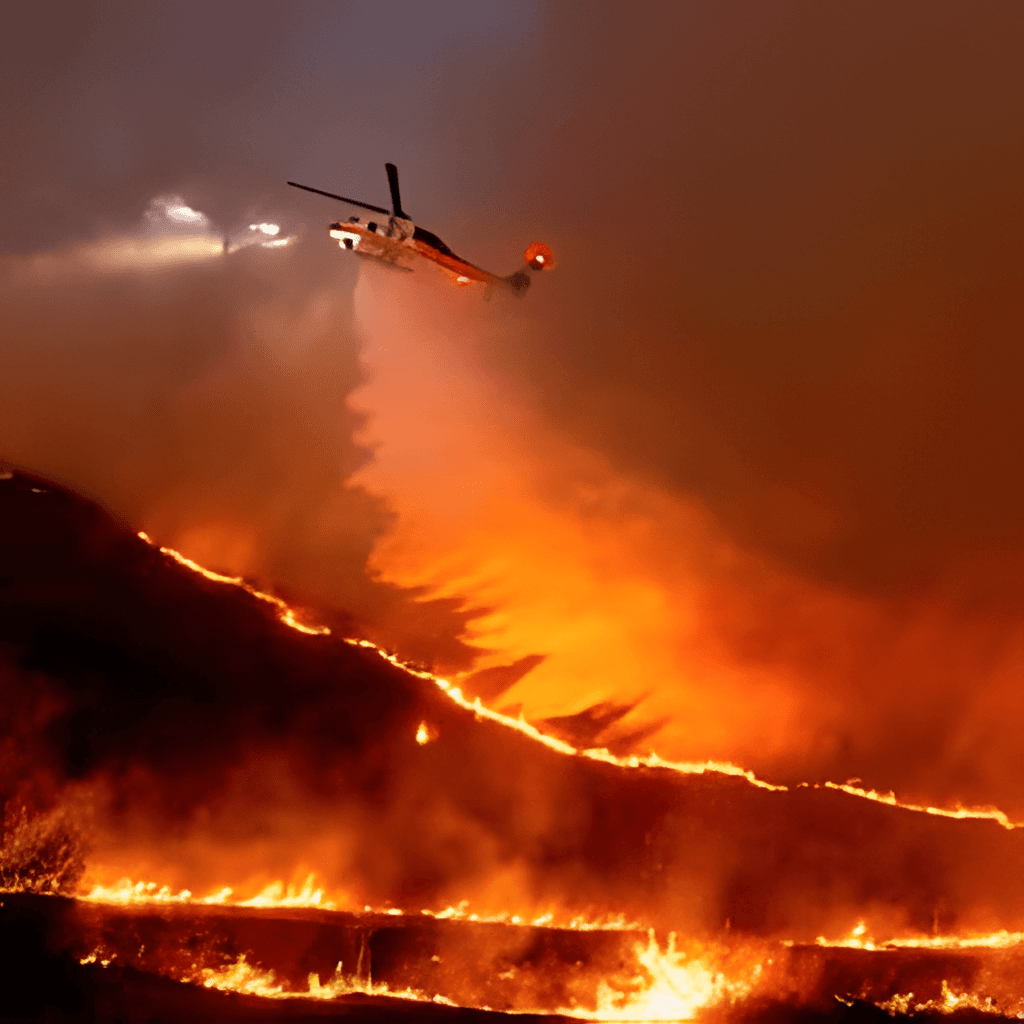
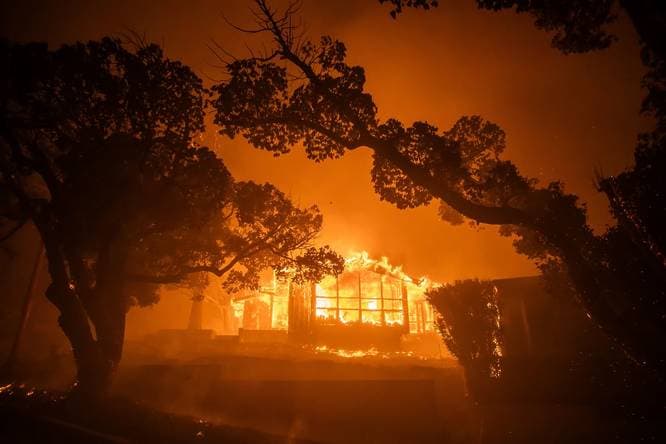
We've already started experiencing abysmal losses from damage induced by wildfires, with the 2025 Los Angeles fires costing insurance $45 billion ²in a month alone.
¹CSIRO, Climate Change Information, updated 2024.
²UCLA, Economic Impact of the Los Angeles Wildfires, updated 2025.
Hover over the cards!
Our Proposition
Sentry aims to provide real-time wildfire ignition and spread predictions using satellite data and machine learning, enabling insurers to price risk more accurately and emergency services to manage resources effectively. This leaves us with fewer large-loss events, lower response costs, and safer communities. Here's our core:
Artifical Intelligence
A machine learning model trained of many features to accurately and confidently predict any possibility of a potential fire.
Sleek Customer Interface
An intuitive and approachable app interface that users can easily navigate and actually execute our service.
Satellites in LEO
A (set of) satellite(s) equipped with sensors to accurate scan coordinates for all necessary metrics required for model inference.
The cards are awaiting your embrace (touch them). 🙇
Target Market
Swagistan Satellite Services, our theoretical private company, will mostly try and sell to large organisations, companies, and government bodies instead of directly to individual consumers.
Sentry’s target market is chiefly insurance companies, who can then pay private brigades to be on call, or take action through controlled burnings, and fire brigades, as this can improve their efficiency and lessen their negative impacts. For customers of insurance, this means earlier risk alerts, discounts for mitigation, and faster, parametric-style payouts—so coverage becomes more affordable, responsive, and focused on prevention.It is also sold directly to fire brigades, both public, and private, to reduce their operating costs while decreasing the damage from fires.
Operational Strategy
Sentry aims to provide real-time wildfire ignition and spread predictions using satellite data and machine learning, enabling insurers to price risk more accurately and emergency services to manage resources effectively. This leaves us with fewer large-loss events, lower response costs, and safer communities. Here's our core:
Revenue Model
We would monetise our services (SaaS + DaaS) through two customer-friendly options:
- Pay-as-you-go: a flexible, no lock-in plan for insurers and private organisations to start quickly and scale easily.
- Enterprise contract: tailored terms for government agencies and large insurers to align with procurement needs.
- Assuming our success, we'd also open an API that developers and larger groups can access our datapoints, unlocking the potential of these satellites.
Play with our pricing (literally)
You can drag them around, like the satellite.
Prototypes
For our project, we have 2 prototypes: the satellite, and the user interface.
Satellite Prototype
Interface Prototype
GitHub Repository: https://github.com/omeriadon/Sentry
Instructions on how to build and use the SwiftUI app are in the README.md file (visible on view of the repository).
Note: the machine learning model is trained off real NASA data, but the app doesn't query (call) real-time data; we would use our satellites for the real-time data if we had it.
Key Considerations:
To make our product viable and sustainable, we've made some design choices:
Our Local Community
In our local community, Western Australia, bushfires often plague large remote areas, like National Parks or country towns. Fires can rage undetected for days. Our system allows us to control these fires before they burn uncontrollably. It will save damage to farms, homes, and the environment, keeping our community safe.